How To Find Constipation Relief (And Why This Is So Important For Women)

Constipation tends to be one of those conditions that you know you have or think you may have, but it’s always something you just live with. You may have taken the time to cut out gluten after seeing someone else do it, you've tried the fibre supplements. You drink more water and you have been taking magnesium religiously, yet you still wake up bloated, you're still going days without a proper bowel movement, you still feel heavy and uncomfortable in your own body.
If that sounds familiar, know that yes constipation is complex, but there is a lot you can do about it. Once you understand what is actually driving your constipation, the path forward starts to make a lot more sense.

Why Constipation Is More Than a Slow Bowel
Most advice about constipation jumps straight to ‘eat more fibre and drink more water.’ And yes, those things matter. But for the women in particular I see in my clinic who have been struggling for years, the issue is rarely that simple.
Constipation is a multi-factor gut pattern. It can be driven by a combination of how your gut moves food through your bowel, nervous system signalling, pelvic floor function, dietary and fluid intake, daily routine and stress. No single lever fixes it for everyone, which is exactly why the same protocol works brilliantly for one person and does nothing for another.
Functional constipation (FC) is defined by persistent infrequent stools, straining and a sense of never fully emptying, without significant abdominal pain.
IBS with constipation (IBS-C) shares all of those features but also involves recurrent abdominal pain, often cramping pain that is linked to bowel movements. Research published in Current Gastroenterology Reports (2025) suggests that IBS-C and functional constipation may actually sit on a spectrum rather than being entirely separate conditions, which explains why many women move between diagnoses or feel like neither label quite fits.
What is clear is that constipation in all its forms is far more common in women, and there are real biological reasons for that.
Why Women Are Disproportionately Affected
IBS is more than twice as common in women, and women consistently report more severe pain. Research shows that women are biologically more vulnerable to visceral pain, the deep, internal discomfort that comes from gut distension, cramping and bloating.
Female sex hormones can influence how the gut and nervous system communicate, with hormonal fluctuations potentially affecting symptom severity at different points in the cycle.
There is also a structural dimension. Women are at greater risk of pelvic floor dysfunction, whether from weakening after pregnancy and birth, or from an inability to relax the pelvic floor muscles during a bowel movement. This can make it genuinely difficult to fully empty your bowel, regardless of diet. If you always feel like you haven't quite finished, this is worth knowing about and worth raising with a specialist.
The Gut-Brain Connection That is Often Missed
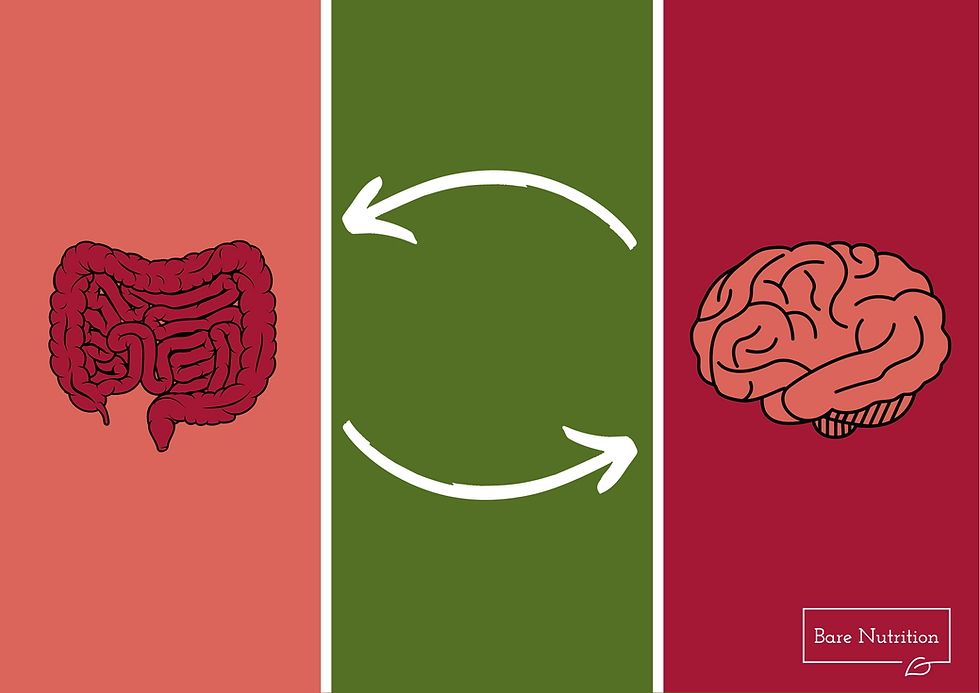
Here is the penny-drop moment for many of my clients. Your gut and brain are in constant two-way communication. Stress, whether acute or chronic, directly affects gut function. A 2025 review in Current Gastroenterology Reports found that psychological and physical stress can slow intestinal movement, increase gut sensitivity and trigger the release of a stress hormone called corticotropin-releasing factor (CRF), which disrupts normal bowel function and amplifies pain signals.
In plain terms: when your nervous system is in a state of stress or dysregulation, your gut follows. This is not all in your head, it is a real, measurable, physiological process.
The same review found that visceral hypersensitivity, where the gut becomes oversensitised and registers normal sensations as painful, is a key driver of IBS-C symptoms. Serotonin dysregulation plays a role here too. Around 90% of the body's serotonin is produced in the gut, and when serotonin signalling is disrupted, it can affect how your body moves food through the digestive system and pain perception.
This is why approaches focused purely on food restriction often fall short. You can eat a textbook diet and still feel awful if your nervous system is dysregulated. Addressing the stress-gut connection is not optional, it is central.
What to Do About It: A Practical Guide
There is no single protocol that works for everyone, so working through potential strategies is your best way to find what is most likely to bring you relief. The key is to identify which factors are most relevant for your body, and then apply them consistently.
Start with Kiwi fruit
This is one of the more surprising, research-backed strategies for constipation. Eating two to three green kiwi fruits per day has been shown to improve stool frequency and consistency, with many people noticing improvements within around two weeks. Kiwi increases stool water content to soften stools, adds volume, and contains an enzyme called actinidin which supports digestion. If you want somewhere simple to start, this is it.
Add Fibre, But Go Slowly
The daily target is around 30g of fibre, but if you are far below that currently, adding it quickly will make things worse before they get better. The key is a gradual increase, adding a few tablespoons of lentils, beans, wholegrains or vegetables each day and building up over several weeks. Always increase fluids alongside fibre, as fibre without enough fluid can worsen bloating and discomfort.
A note on Psyllium Husk (soluble fibre): this can be particularly helpful for constipation. Start with around 5g (one to two teaspoons) mixed into a full glass of water once or twice daily, and build up slowly to 10–25g as needed. Take it immediately and follow with another full glass of water. Important: take any medications at least two hours apart from psyllium, as it can affect absorption.
Move Your Body
Think about adding a 20–30 minute walk into your day. After lunch or dinner is ideal, as movement after eating can give your digestion a helpful nudge. Five days a week of this is all it takes. If walking isn’t an option, cycling, swimming, team sports all count.
Consider Magnesium
Magnesium can be a quiet game-changer for constipation, but the form matters. Magnesium citrate, sulfate and hydroxide (milk of magnesia) all help by drawing water into the bowel to soften things up, while magnesium oxide works more on relaxing the gut muscles. If you've been taking magnesium and it's not helping, it's worth checking in with your GP, sometimes persistent constipation needs a closer look.
Regular Meal Patterns / Not Skipping Meals
Not a food intervention but strongly evidenced and almost entirely overlooked in constipation advice. NICE guidelines recommend eating regular meals, sitting down to eat, chewing foods well, and avoiding skipping meals.
Get Your Fluids Right
Aim for 1.5 to 2.5 litres of fluid per day, all fluids count except alcohol. Drinking steadily throughout the day (rather than playing catch-up in the evening) makes a real difference, because adequate hydration is what keeps stools soft and moves food through your digestive system. Just bear in mind that water is the better option to choose.
When to See Your GP
Constipation is common, but some symptoms should not be left to manage alone. Please book an appointment with your GP if you notice any of the following: blood in stools, unexplained weight loss, persistent abdominal pain, low iron levels, or a noticeable change in bowel habits that is new or getting worse. These warrant investigation sooner rather than later.
Your Constipation Pattern Is Unique to You
The reason so many women come to me after years of trying everything is that they have been working with generic protocols rather than understanding their individual pattern.
The combination that is driving your constipation, whether it is stress and nervous system dysregulation, pelvic floor tension, a microbiome imbalance, or a diet and hydration gap,this is specific to you. And that is exactly what needs to be addressed.
The good news is that constipation is one of the most modifiable gut symptoms when it is approached the right way. Meaningful improvement is possible and I see it regularly.
If you are tired of guessing and want to understand what is actually driving your symptoms, my IBS Reset Session is designed exactly for this. We work together to investigate what is behind your symptoms and build a clear, personalised plan to start bringing you real relief.
Research reference: Luo J et al. (2025). Decoding Abdominal Pain in Constipation-predominant Irritable Bowel Syndrome and Functional Constipation: Mechanisms and Managements. Current Gastroenterology Reports, 27, 22.
Singh P, Tuck C, Gibson PR, Chey WD. The Role of Food in the Treatment of Bowel Disorders: Focus on Irritable Bowel Syndrome and Functional Constipation. American Journal of Gastroenterology. 2022;117(6):947–957.
Comments