Winter Wellness: How Your Gut Shapes Your Immune System

As winter sets in, so does the familiar wave of seasonal colds, flu and general rundown feelings. While it’s natural to focus on vitamin C or stocking up on supplements, one of the most powerful ways you can support your immune system is much closer to home: your gut!
Around 70% of your immune system lives in your gut, which means the health of your microbiome directly influences how resilient you feel through the winter months. When your gut bacteria are well nourished, they help defend you from pathogens, regulate inflammation and keep your immune responses balanced.
So how can you support your gut and in turn your immunity over the colder season?

1. Focus on Fibre-Rich Winter Veg
Your gut microbes thrive on fibre. Winter produce like leeks, onions, garlic, Brussel sprouts, cabbage and parsnips are rich in prebiotics, these are fibres your beneficial bacteria love to feed on.
Try:
Adding roasted Brussel sprouts to meals
Using leeks as a base for soups
Stirring chopped garlic or onions into sauces and stews
Small, consistent tweaks go a long way.
2. Include Fermented Foods (Even in Small Amounts)
Fermented foods introduce helpful bacteria into the gut which can support a more diverse microbiome and resilient immune system.
Simple winter-friendly options:
Live yoghurt or kefir
Sauerkraut
Kimchi
Miso paste (great in warming broths)
Even a tablespoon or small glass per day can make a meaningful difference.
3. Nourish Your Gut Health With Warm and Comforting Meals
Cold weather naturally calls for hearty foods and your gut often prefers warm, cooked meals during winter. These can be gentler on digestion and easier to absorb.
Think:
Slow-cooked stews
Warming soups
Roasted vegetables
Porridge with seeds and fruit
A bowl of warming food can support digestion and offer a little winter comfort.
4. Stay Hydrated (More Than You Think)
It’s easy to drink less water in winter, but hydration supports digestion, detoxification and immune responses. Herbal teas, warm water with lemon, and broths all count. Aim for steady sipping throughout the day.
5. Support Your Body With Vitamin D
Although it isn’t directly a gut nutrient, vitamin D helps regulate immune responses, and low levels are common in winter. A daily supplement is often recommended from October to April (always check what’s appropriate for you).
6. Keep Stress Levels in Check
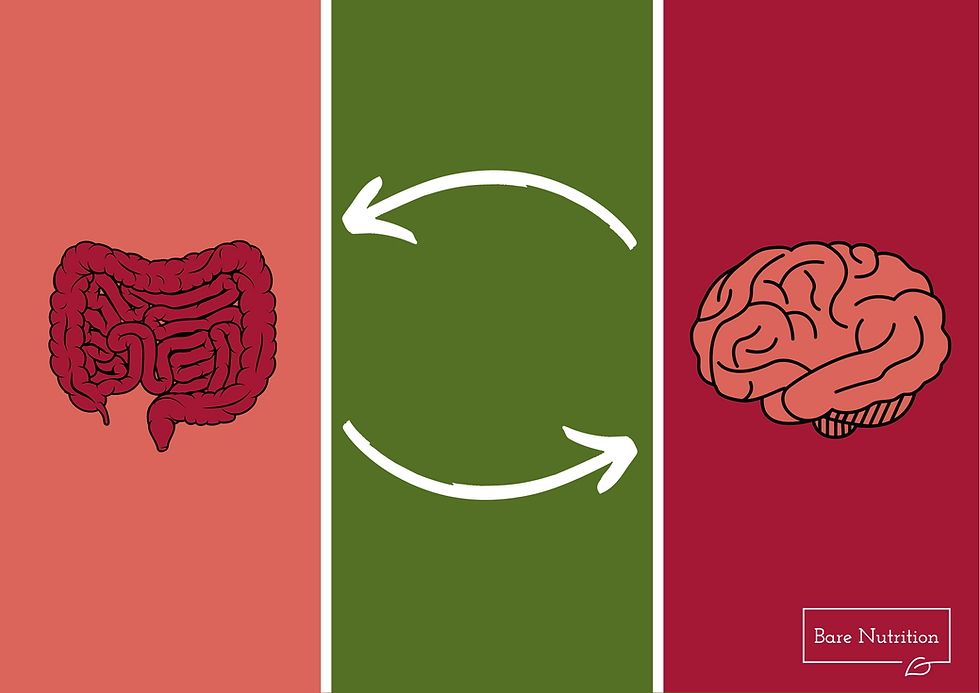
The gut and immune system both respond to stress. Simple daily routines deep breathing, gentle walking, mindful eating, or pausing before meals all support the gut–brain connection and help keep inflammation balanced.


Comments